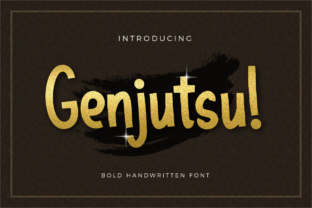
Genjutsu: A Playful Sans Serif for Modern Web Design
The Rhythm of Readability
When designing a website, the choice of font can significantly influence how users interact with your content. Genjutsu is a handwritten sans serif typeface that brings a fresh and playful energy to digital projects. Its unique character shapes and fluid strokes make it stand out while maintaining excellent legibility—key for both headliners and body text in a variety of contexts.
Visual Hierarchy and Brand Tone
Genjutsu’s personality is both approachable and stylish. It’s ideal for creating visual hierarchy on landing pages, where headers and subheadings need to grab attention without overwhelming the reader. For brand-focused web experiences, this font helps convey a tone that’s modern yet warm, making it suitable for creative portfolios, boutique online stores, and coaching websites.
Its playful nature makes it a great fit for hero sections and call-to-action areas. When used as a headline, Genjutsu adds a touch of creativity that aligns well with brands aiming for a more human and engaging presence. However, its use should be balanced. While it excels at drawing the eye, it’s best reserved for accents or key messages rather than long-form body copy.
Readability Across Devices
One of the most important considerations for any web font is readability across different screen sizes. Genjutsu performs well on mobile devices, thanks to its clear letterforms and generous spacing. This makes it a reliable choice for responsive layouts, especially when paired with a simple sans serif font for body text.
On dark backgrounds, Genjutsu maintains its clarity, making it suitable for image overlays or dark mode designs. On light backgrounds, its subtle contrast ensures that even small buttons and short phrases remain legible. Whether you're working on a blog header, product landing page, or social media graphics, Genjutsu adapts well to various environments.
Font Pairing Strategies
Pairing fonts effectively is essential for creating a cohesive design. Genjutsu works beautifully with a clean sans serif or serif font for body copy. For example, using a classic serif like Georgia or a modern sans like Inter can provide a strong contrast while ensuring readability.
In editorial or packaging design, pairing Genjutsu with a more traditional serif font can add depth and sophistication. This combination is particularly effective for blogs, course sales pages, or digital brand kits where a balance between creativity and professionalism is needed.
For branding, consider using Genjutsu as a logo font or decorative accent. Its handwritten style can enhance a brand's identity without overpowering the overall design. Always check the included styles, weights, and alternates to ensure flexibility in your design choices.
Commercial Font Licensing
When selecting a font for commercial use, licensing is crucial. Genjutsu offers commercial font licensing, making it suitable for websites, client projects, online stores, and digital templates. Ensure that the license covers all intended uses, including print and digital formats.
Check if the font includes webfont availability and multilingual support if your target audience spans multiple languages. These details are often listed in the product description and can help avoid potential issues down the line.
Designing with Purpose
As a web designer or digital product creator, your goal is to create experiences that resonate with users. Genjutsu supports this by offering a versatile typeface that enhances both aesthetics and functionality. Whether you're building a portfolio site, an online store, or a course sales page, this font can elevate your design with its unique charm and practical performance.
Use Genjutsu to highlight key messages, create memorable brand identities, and improve user engagement. Its ability to blend playfulness with professionalism makes it a valuable asset in your design toolkit. By understanding how to apply it thoughtfully, you can ensure that every project benefits from its distinct character and readability.